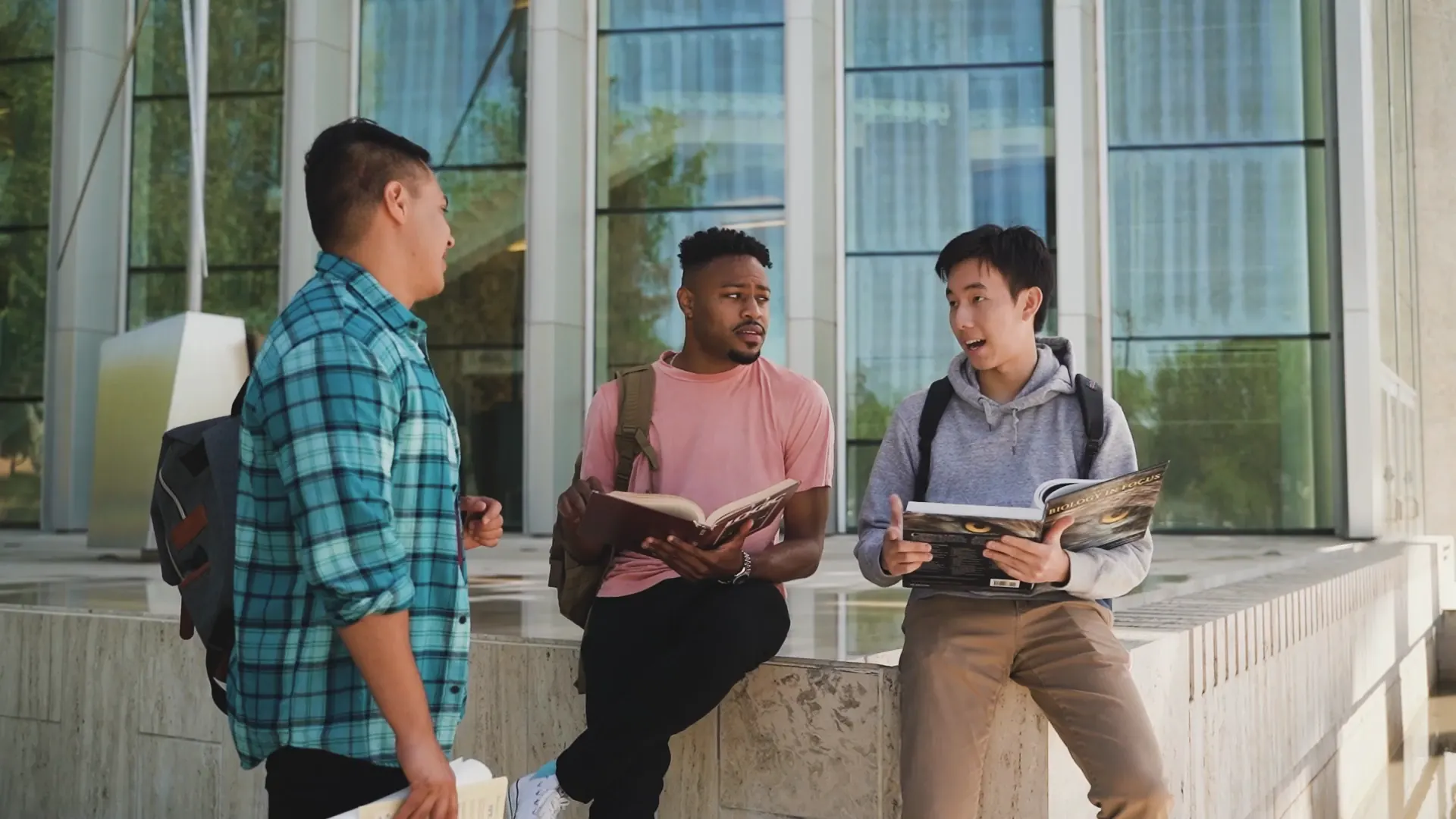
Theory and practice together
Teaching and practice at the Faculty are designed as a working combination of contemporary theory and intensive practical work. A multidisciplinary curriculum links special education with the disciplines around it, giving students a rounded education to the highest European standards.
What a teaching week looks like
Teaching runs by semester, combining the forms of teaching each course calls for.
Forms of teaching
Lectures, practicals, workshops, seminar papers, professional practice and consultations.
Group size
Practicals run in small groups, working directly with a teacher and an assistant, supervised by leading practitioners.
The academic year
Two semesters, autumn and spring: 30 teaching weeks, 12 weeks for consultations and exam preparation, and 6 examination periods.
Consultations
Consultation hours for teachers and assistants are published each semester.
Language of instruction
Serbian
Online support
Zoom and Microsoft Teams
What you need each semester
The official timetables and services students use during teaching.
Library
Textbooks, workbooks, books of tests, journals, a reading room and a computer room.
Practice in more than fifty institutions
The Faculty has cooperation agreements with teaching bases in Belgrade and in a number of other cities in Serbia. Practice is mentored by a teacher and by a professional from the institution.
On placement I saw for the first time what working with a child really looks like, from assessment through to a support plan. What we had learned in practicals only made sense once I was standing next to a mentor.
Third-year student, Speech and Language Pathology
The teaching bases span a wide range of professional knowledge and skills: mainstream schools, schools for pupils with developmental difficulties, pre-school institutions, clinics and specialist hospitals, institutes and residential homes, day-care and residential centres, research institutes, associations, non-governmental organisations, private practices, and companies for vocational rehabilitation.
Practice is a cornerstone of the education at the Faculty and runs continuously throughout the studies. Working directly with clients, students develop the clinical and pedagogical skills their profession will ask of them.
Direct mentoring
Students work under the supervision of experienced practitioners and of the Faculty’s own teachers.
The core skills
Practical knowledge of assessment, of writing individual support plans, of rehabilitation treatment and of work in education.
Final professional practice
In the final year students spend an intensive block of hours working independently in a real workplace.
On placement a student follows the work of the professional team, takes part in assessment and treatment appropriate to their level of study, and keeps a record of the practice completed.
Step by step through the studies
Each year carries 60 ECTS, moving from the foundations of the profession towards independent practical work.
1
Enrolment and orientation
Choosing a study programme, enrolling in the first year, and getting to know how teaching is organised, what is expected and what the Faculty offers.
2
Teaching, exams and electives
Electives are chosen at the start of each semester, alongside the teaching timetable and the work plan for each course.
3
Professional practice
Applying that knowledge in placements, working with children and adults in the teaching bases under experienced mentors.
4
Final thesis
Writing and defending the final thesis, and gaining the title of the chosen study programme.
The Faculty’s centres
Teaching and research rest on the Faculty’s four centres.
Assistive equipment for students with disabilities
The equipment is installed on a computer in the reading room and available to any student who needs it.
JAWS
Screen reader for blind users
AnReader
Speech synthesiser: text read aloud
Perkins Brailler
The standard braille typewriter
Induction loop
Speech amplification for people with hearing impairment
ABBYY FineReader 12 Professional
Software that turns printed text into a text file
There is also a separate admission procedure for candidates with disabilities.
Mobility during your studies
Part of the teaching and research can be done at partner universities.